
English C1: Advanced
At C1, English is no longer the barrier. Read between the lines, follow real conversations, and write with the nuance and tone each situation demands.
Tek üyelikle tüm Fielse kurslarına erişirsiniz. Planları görüntüleyin
Kurs hakkında
This course continues the Fielse English series and is designed for learners who have completed B2 or already use English comfortably in most situations. The course covers the C1 level from start to finish. The focus is on precision and register: understanding complex written English, following natural conversations between fluent speakers, and choosing the right tone for formal and informal…
This course continues the Fielse English series and is designed for learners who have completed B2 or already use English comfortably in most situations.
The course covers the C1 level from start to finish. The focus is on precision and register: understanding complex written English, following natural conversations between fluent speakers, and choosing the right tone for formal and informal contexts.
Advanced grammar, idiomatic expressions, and vocabulary are taught in context to help you communicate more accurately and naturally. You can watch the lessons whenever you want and revisit anything you didn't fully understand the first time.
Ders içeriği
-
1
 16:50
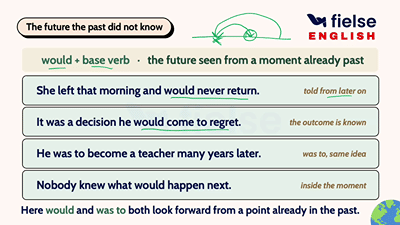
Future in the Past: Was going to, Was to, Was about to, and Would for Unfulfilled Plans
In this lesson, we'll learn four ways to talk about the future from a past perspective: was going to, was to, was about to, and would. We'll explore how these structures are use… Video
-
2
 16:28
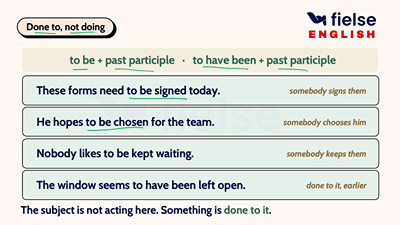
The Full Infinitive and -ing System: Continuous, Perfect and Passive Forms
In this lesson, we'll learn how to use full infinitive and -ing forms in continuous, perfect, and passive constructions. We'll explore how to choose the correct form based on wh… Video
-
3
 17:17
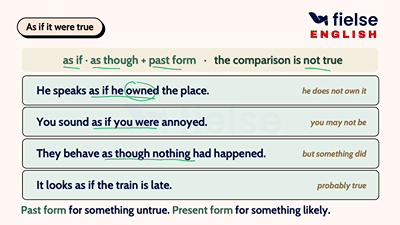
The Unreal Past Outside Conditionals: It's time, Would rather, As if / As though, Suppose and Imagine
In this lesson, we'll learn how past tense forms can express unreal, imagined, preferred, or overdue situations rather than past time. We'll explore expressions such as it's tim… Video
-
4
 17:08
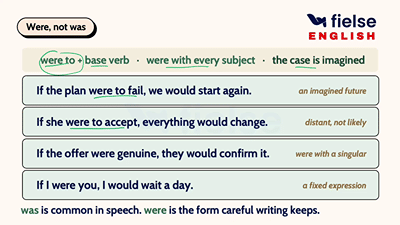
The Subjunctive and Its Survivals: Mandative That-Clauses, Were to, Should you..., Be that as it may
In this lesson, we'll learn how the subjunctive mood is used in formal English, including mandative that-clauses, hypothetical uses of were, and conditional structures with shou… Video
-
5
 17:22
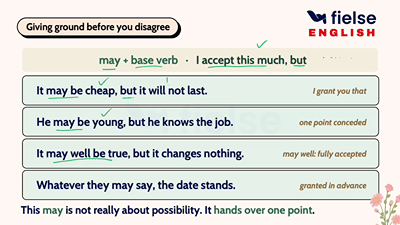
Fine-Grained Modality: Will and Would for Typical Behaviour, Should for Surprise, May for Concession, Need and Dare
In this lesson, we'll explore the less common meanings of modal verbs at C1 level. We'll learn how will and would describe typical behaviour, how should expresses surprise, how … Video
-
6
 18:40
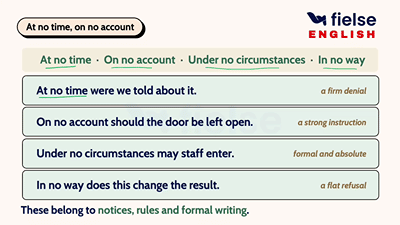
Negative Inversion I: Never, Rarely, Seldom, Little, At no time, On no account
In this lesson, we'll learn how negative inversion works with expressions such as never, rarely, seldom, little, at no time, and on no account. We'll explore how these expressio… Video
-
7
 19:35
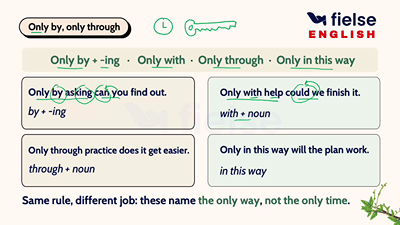
Negative Inversion II: Not only... but also, Not until, Only then / Only by / Only after
In this lesson, we'll continue exploring negative inversion through structures such as not only...but also, not until, only then, only after, only by, and no sooner...than. We'l… Video
-
8
 16:39
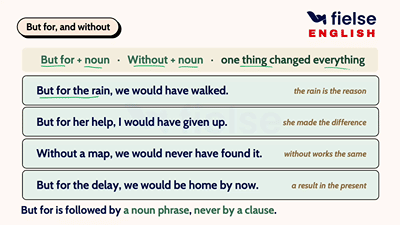
Conditional Inversion and Implied Conditions: Were, Should, Had, But for, Otherwise, If so / If not
In this lesson, we'll learn how to express conditional meanings without always using an if clause. We'll explore formal inversion patterns with were, should, and had, as well as… Video
-
9
 20:09
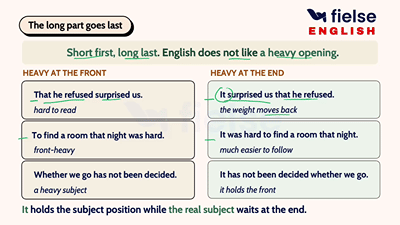
Fronting and End-Weight: Deciding What Opens the Sentence and What Closes It
In this lesson, we'll learn how word order affects emphasis and flow in English sentences through fronting and end-weight. We'll explore how moving elements to the beginning or … Video
-
10
 16:34
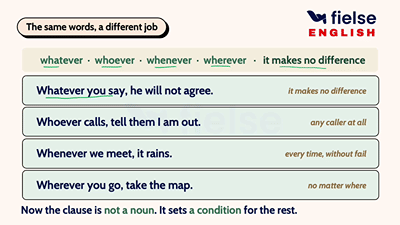
Nominal Relative Clauses: What, Whatever, Whoever, However much, No matter how
In this lesson, we'll learn how nominal relative clauses work using words such as what, whatever, whoever, and whichever. We'll explore how these clauses function as nouns, dist… Video
-
11
 18:38
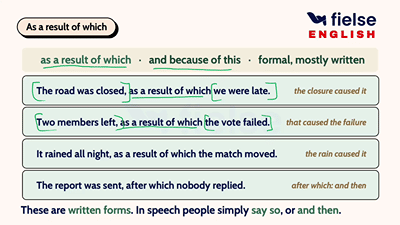
Relatives in Formal Text: In which case, At which point, By which time, As a result of which, The extent to which
In this lesson, we'll learn how to use formal relative expressions such as in which case, at which point, by which time, as a result of which, and the extent to which. We'll exp… Video
-
12
 18:22
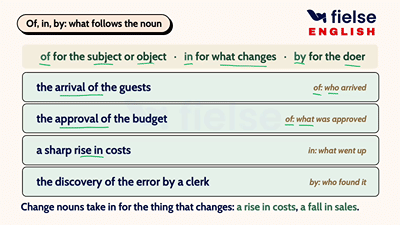
Nominalisation: Turning Verbs and Adjectives into Noun Phrases for Formal Style
In this lesson, we'll learn how to use nominalisation to make writing more formal by turning verbs and adjectives into nouns. We'll explore how noun phrases can replace entire c… Video
-
13
 19:04
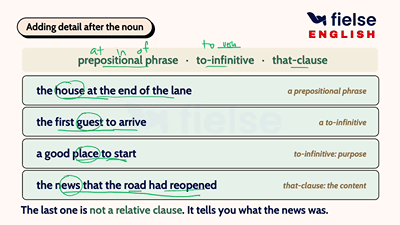
Complex Noun Phrases: Controlled Pre-modification and Post-modification
In this lesson, we'll learn how to build complex noun phrases using pre-modification and post-modification. We'll explore how noun modifiers, participle phrases, prepositional p… Video
-
14
 17:53
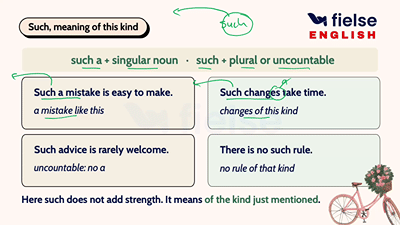
Cohesive Reference: This, That, Such, The former / The latter, and Avoiding Ambiguity
In this lesson, we'll learn how to use cohesive reference words such as this, that, such, the former, and the latter to connect ideas and improve writing flow. We'll explore how… Video
-
15
 18:57
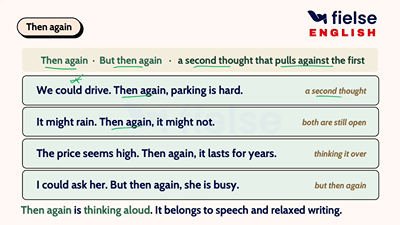
Discourse Markers of Argument: Admittedly, Granted, That said, Then again, On balance
In this lesson, we'll learn how to use discourse markers such as admittedly, granted, that said, then again, and on balance to develop balanced arguments. We'll explore how thes… Video
-
16
 16:08
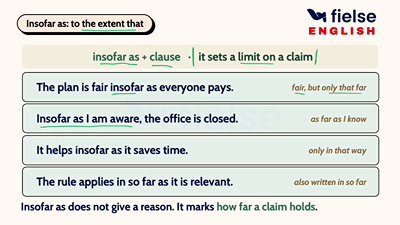
Formal Connectors and Their Grammar: Thereby, Whereby, Hence, Insofar as, Notwithstanding, Albeit
In this lesson, we'll learn how to use formal connectors such as thereby, whereby, hence, insofar as, notwithstanding, and albeit. We'll explore the meaning and grammatical patt… Video
-
17
 17:53
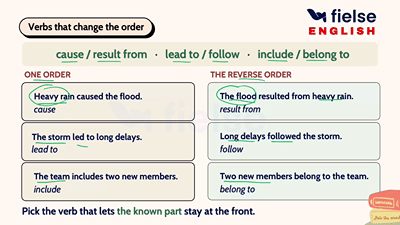
Information Flow: Given Before New, and the Structures That Manage It
In this lesson, we'll learn how the given before new principle helps create a natural flow of information in English writing. We'll explore how word order, active and passive vo… Video
-
18
 16:30
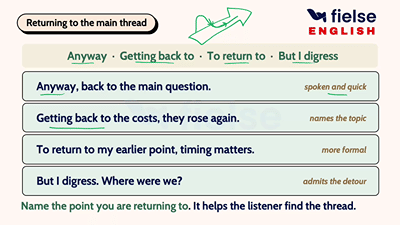
Signposting in Extended Discourse: Opening, Transitioning, Digressing & Returning
In this lesson, we'll explore how signposting helps guide listeners and readers through extended spoken or written discourse. We'll learn how to signal openings, transitions, di… Video
-
19
 16:07
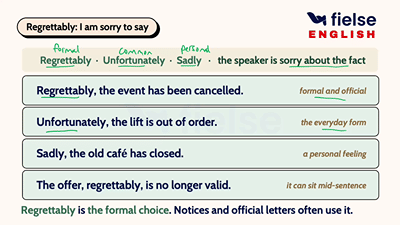
Attitude and Evaluation Adverbials: Frankly, Ideally, Regrettably, Curiously, Understandably
In this lesson, we'll explore how attitude and evaluation adverbials express a speaker's or writer's feelings and perspective towards an entire statement. We'll examine how thei… Video
-
20
 17:01
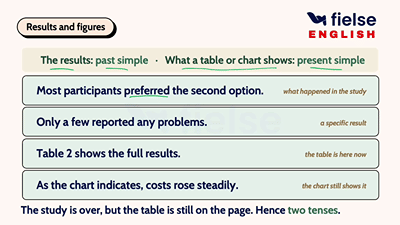
Tense and Aspect in Academic and Professional Writing: Reporting, Describing and Concluding
In this lesson, we'll explore how tense and aspect are used in academic and professional writing, focusing on the present simple, past simple, and present perfect. We'll learn h… Video
-
21
 17:20
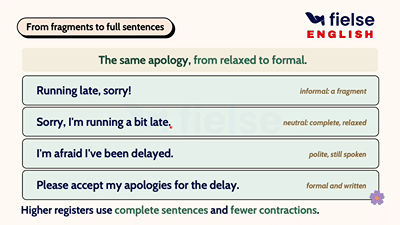
Register Transformation: One Message in Three Registers
In this lesson, we'll explore how the same message can be adapted to informal, neutral, and formal registers depending on the audience and social context. We'll examine how voca… Video
-
22
 17:56
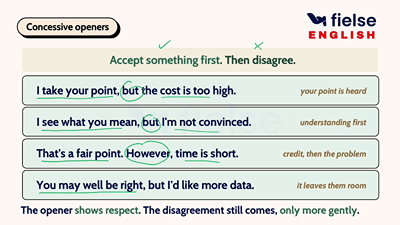
Diplomatic English: Distancing Forms, Concessive Openers and the Softened Negative
In this lesson, we'll explore three key techniques of diplomatic English: distancing forms, concessive openers, and softened negatives. We'll learn how tense choices, modal verb… Video
-
23
 16:28
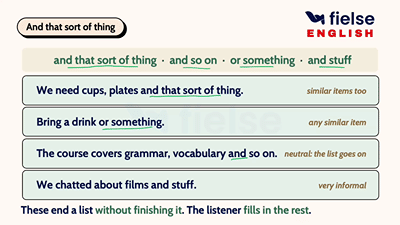
Vagueness and Approximation: Roughly, In the region of, Or thereabouts, And that sort of thing
In this lesson, we'll explore how vagueness and approximation are used in English to communicate quantities, estimates, and general ideas without unnecessary precision. We'll ex… Video
-
24
 17:41
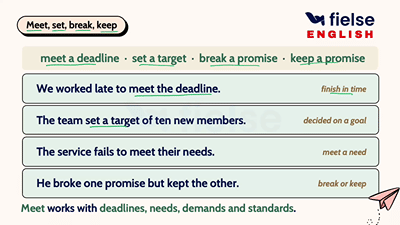
Strong Collocation: Verb + Noun Partnerships (pose a risk, draw a distinction, reach a conclusion)
In this lesson, we'll explore strong verb-noun collocations and how specific verbs naturally pair with particular nouns in English. We'll examine expressions such as pose a risk… Video
-
25
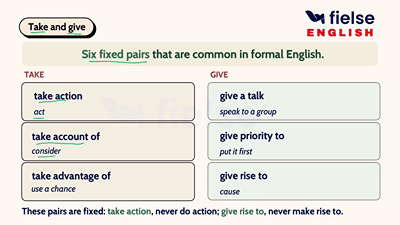 16:05
Delexical Verbs: Make, Do, Take, Give, Have and Pay + Noun
In this lesson, we'll explore delexical verbs and how make, do, take, give, have, and pay combine with nouns to express different meanings. We'll examine common verb-noun partne… Video
-
26
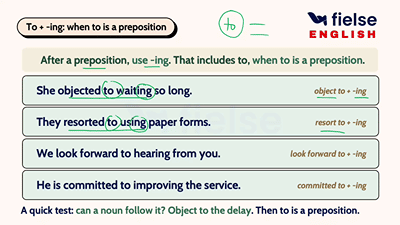 15:52
Dependent Prepositions: Adjective, Noun and Verb Complementation
In this lesson, we'll explore dependent prepositions and how specific adjectives, nouns, and verbs are followed by particular prepositions in English. We'll examine common combi… Video
-
27
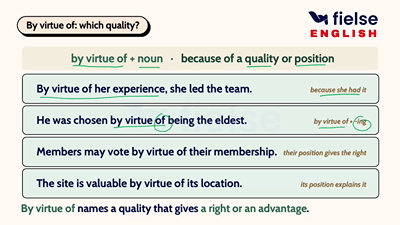 16:06
Prepositional Frames for Discourse: In terms of, With regard to, By virtue of, On the grounds that
In this lesson, we'll explore four formal prepositional frames, including in terms of, with regard to, by virtue of, and on the grounds that, and how they introduce different as… Video
-
28
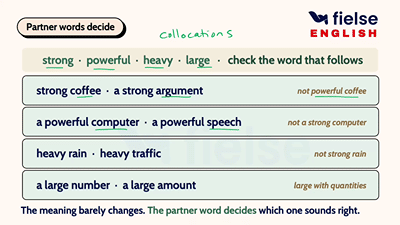 18:29
Near-Synonyms: Choosing Precisely Between Words That Look Interchangeable
In this lesson, we'll explore near-synonyms and how words with similar meanings can differ in connotation, register, collocations, grammatical patterns, and precise meaning. We'… Video
-
29
 15:43
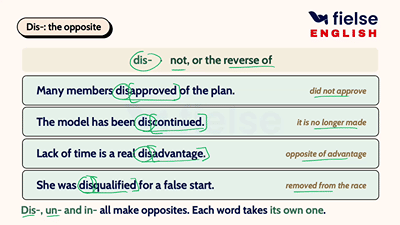
Word Formation for Meaning: Prefixes (under-, over-, mis-, dis-) and Suffixes (-ise, -ify, -ability)
In this lesson, we'll explore how prefixes and suffixes change word meanings and create new word forms in English. We'll examine prefixes such as under-, over-, mis-, and dis-, … Video
-
30
 16:33
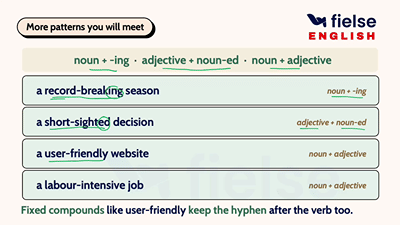
Compound Adjectives and Hyphenation: a well-attended meeting, a three-year contract, cost-effective
In this lesson, we'll explore how compound adjectives are formed and used to describe nouns in English. We'll examine common patterns and essential hyphenation rules, including … Video
-
31
 16:50
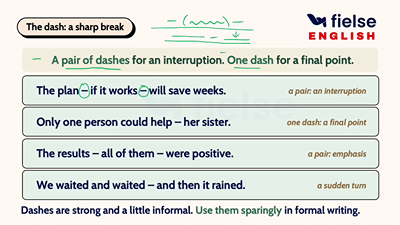
Punctuation for Control: Semicolons, Colons, Dashes & Parentheses in Long Sentences
In this lesson, we'll explore how semicolons, colons, dashes, and parentheses help control the structure, meaning, and emphasis of longer sentences. We'll examine the function o… Video
-
32
 18:33
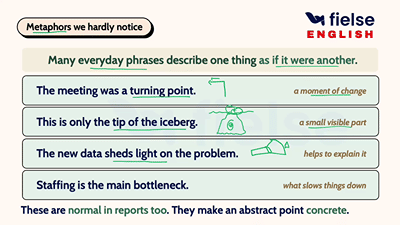
Idiom, Binomials and Metaphors: By and large, To all intents and purposes, and When Not to Use Them
In this lesson, we'll explore idioms, binomials, and metaphors and how they make English more natural and expressive. We'll examine common expressions, their fixed forms and app… Video
Detaylar
Kapsam
32 ders · 9 saat 17 dakika
Kampüs
Format
Video Dersler
Nasıl işler
Dersleri istediğiniz zaman, istediğiniz tempoda izlersiniz. Anlamadığınız yeri geri sarar, tekrar edersiniz.
Cihazlar
Web, iOS, Android ve Android TV
Üyelik
Tek üyelikle tüm kurslara erişirsiniz. Kurs başına ek ücret yoktur.
Planlar
İptal
Taahhüt yoktur. İstediğiniz an iptal edin.
English yolculuğu
Bu kampüsteki diğer kurslar
Tümünü gör →
Sık sorulan sorular
Bu kurs kimler için uygun?
Kurs açıklamasında belirtilen seviyeye sahip öğrenciler için hazırlanmıştır.
Seviyemin uygun olduğunu nasıl anlarım?
Önizlemeyi inceleyerek anlatım hızının size uygun olup olmadığını görebilirsiniz. Emin değilseniz bir önceki seviyeden başlamak genellikle daha verimli olur.
Dersleri istediğim zaman izleyebilir miyim?
Evet. Ne zaman isterseniz derslerinizi takip edebilir, kaldığınız yerden devam edebilirsiniz.
Bu kurs için ayrı ücret ödemem gerekir mi?
Hayır. Tek üyelikle Fielse kütüphanesindeki tüm kurslara erişirsiniz; kurs başına ek ücret yoktur.
Hangi cihazlardan kullanabilirim?
Web tarayıcısı, iOS, Android ve Android TV üzerinden kullanabilirsiniz. İlerlemeniz tüm cihazlarda senkronize olur.